Everyday math

Cups to grams: the cooking conversion guide
Cups measure volume, grams measure weight. The conversions for flour, sugar, butter, and more — plus why flour is the tricky one.

How to calculate exact age (years, months, days)
Why subtracting birth years fails on birthdays, and the three-step months-and-days math that gives an exact age.

How to calculate GPA (weighted vs unweighted)
The 4.0 scale, credit-hour weighting, and the +1.0 weighted bump — with worked examples and what colleges actually check.

How to convert time zones without messing up meetings
UTC offsets, daylight saving traps, and the date line — plus the invite etiquette that stops 3am meetings before they happen.
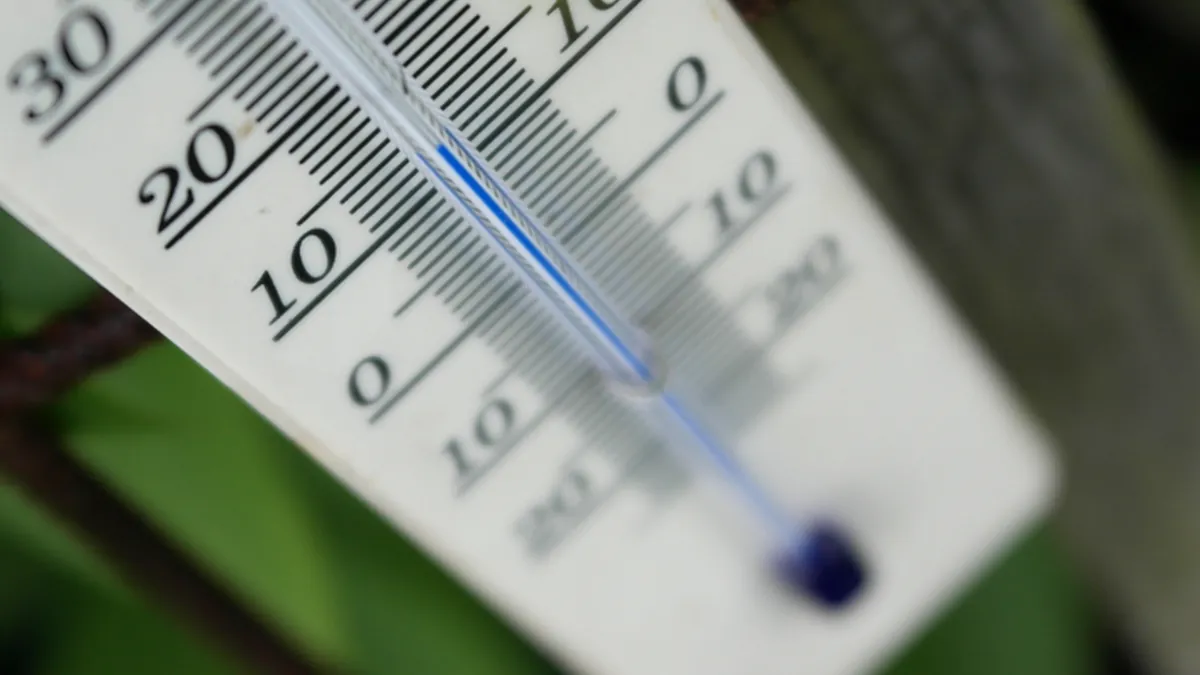
How to Convert Celsius to Fahrenheit: Formula, Chart and Examples
Convert Celsius to Fahrenheit with the exact formula for both directions, the double-and-add-30 shortcut and its real error, a full chart and examples.

How to Calculate Slope From Two Points: Formula, Examples and Types
How to calculate slope from two points using the rise-over-run formula: all four slope types, worked examples, and parallel and perpendicular lines.

Slope vs Gradient vs Grade: What Is the Difference?
Slope, gradient and grade all mean rise over run, but each field uses its own word and format. Definitions, a full conversion table and the percent trap.

What Does a 100% Slope Mean? Why It Is 45 Degrees, Not Vertical
A 100% slope means rise equals run: a 45° angle, not a vertical wall. Why percent slope is unlimited, with ramps, roads, stairs and ski runs compared.

Exponent Rules Explained: Zero, Negative and Fractional Powers
Exponent rules explained with worked examples: product, quotient and power rules, zero and negative exponents, fractional powers and classic sign errors.

Mean, Median and Mode: Differences, Examples and When to Use Each
Learn how mean, median and mode differ, with sorted worked examples, the salary outlier lesson, and a simple rule for choosing the right average.

How to Find the Vertex of a Parabola: Formula, Graph and Examples
Find any parabola's vertex with h = -b/(2a): worked examples, completing the square, the axis of symmetry and a projectile peak problem solved.